
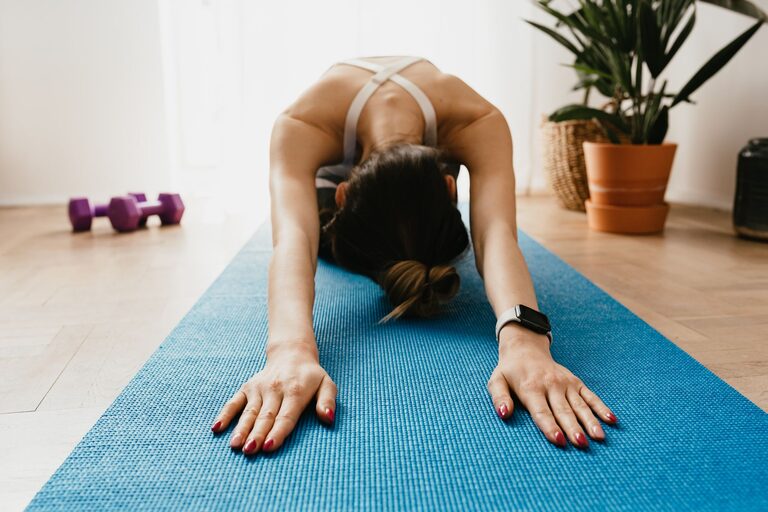
Stretching is a simple, low-impact way to enhance your physical health and well-being. Whether you want to ease muscle tension, improve circulation, or increase your flexibility, stretching at home can be a convenient and enjoyable practice. This beginner’s guide will help you get started with safe and effective stretches, no matter your fitness level.
Why Stretch at Home?
Stretching offers many benefits, including:
– Improved flexibility and range of motion
– Reduced muscle stiffness and soreness
– Increased blood flow to muscles
– Better posture and balance
– Stress relief and relaxation
Doing stretches at home saves time and money, and you can tailor your routine to your schedule and preferences. Plus, setting a regular stretching habit can help keep your body feeling good throughout the day.
Getting Started: Tips for Safe Stretching
Before you begin, keep these tips in mind:
– Warm up first: Stretching cold muscles can lead to injury. Do a light warm-up like walking or gentle marching in place for 5 minutes.
– Move slowly: Ease into each stretch and avoid bouncing or jerking movements.
– Hold, don’t strain: Hold each stretch gently for 15-30 seconds, feeling tension but no pain.
– Breathe deeply: Deep breathing helps your muscles relax and improves oxygen flow.
– Stretch both sides: Make sure to stretch both sides of your body evenly.
– Listen to your body: If you feel sharp pain or discomfort, stop immediately.
Basic Stretches for Beginners
Here are some beginner-friendly stretches you can try at home. Perform each stretch 2-3 times per session.
1. Neck Stretch
– Sit or stand with a straight spine.
– Slowly tilt your head to the right, bringing your ear toward your shoulder.
– Hold for 20 seconds, then switch to the left side.
– Keep your shoulders relaxed throughout.
2. Shoulder Rolls
– Stand tall and roll your shoulders in a circular motion.
– Do 10 rolls forward and 10 rolls backward.
– This helps release shoulder tension and improve mobility.
3. Chest Opener
– Stand with your feet shoulder-width apart.
– Clasp your hands behind your back and gently squeeze your shoulder blades together.
– Lift your chest slightly and hold for 20 seconds.
– This stretch counteracts hunching from sitting or device use.
4. Cat-Cow Stretch (Spine Mobility)
– Get down on all fours, with hands under shoulders and knees under hips.
– Inhale and arch your back by lifting your tailbone and head (Cow pose).
– Exhale and round your back, tucking your chin and tailbone (Cat pose).
– Repeat slowly 5-8 times, synchronizing breathing.
5. Seated Hamstring Stretch
– Sit on the floor with one leg extended and the other bent with the foot against the inner thigh.
– Reach toward the toes of the extended leg while keeping the spine straight.
– Hold for 30 seconds, then switch legs.
– This helps loosen tight hamstrings and lower back muscles.
6. Quadriceps Stretch
– Stand near a wall or chair for balance.
– Bend one knee and grab the ankle or foot behind you.
– Pull gently toward your buttocks and hold for 20 seconds.
– Switch sides.
7. Calf Stretch
– Stand facing a wall with one foot forward and the other back.
– Keep the back leg straight and press the heel into the floor.
– Lean into the wall until you feel a stretch in the calf.
– Hold for 20-30 seconds, then switch legs.
Tips for Building a Stretching Routine
– Set a regular time: Stretch in the morning, during breaks, or before bed.
– Create a relaxing space: Use a yoga mat, wear comfortable clothes, and minimize distractions.
– Combine with breathing exercises: Deep, mindful breathing enhances relaxation.
– Be consistent: Aim for at least 10 minutes, 3-5 times per week.
– Track your progress: Notice improvements in flexibility or reduced stiffness to stay motivated.
When to Avoid Stretching
Avoid stretching if:
– You have an acute injury or pain in the area.
– You feel sharp or intense pain during a stretch.
– You have certain medical conditions; consult a healthcare provider if in doubt.
Final Thoughts
Stretching at home is an accessible way to support your body’s health and mobility. Starting slow and listening to your body ensures a safe and enjoyable experience. Over time, you’ll likely notice improved flexibility, less muscle tension, and a greater sense of relaxation. So roll out your mat, take a deep breath, and give your body the care it deserves!