
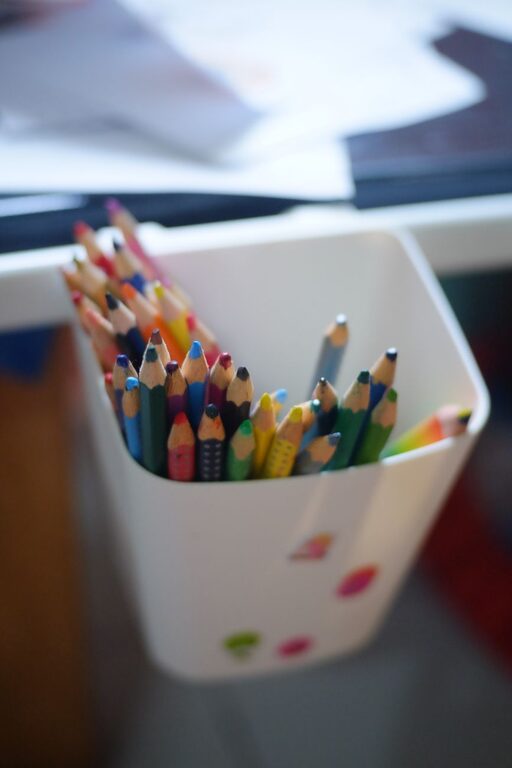
Bringing home a masterpiece created by your child is always a joyful moment. From finger paintings to colorful drawings and craft projects, kids’ art is full of creativity and memories worth cherishing. However, as the collection grows, it can quickly become overwhelming and cluttered. If you’re wondering how to keep your children’s artwork organized without losing those special memories, you’re in the right place.
In this post, we’ll explore practical tips and ideas to help you create a system that works for you and your family. Whether you want to display art around the house, save it for the long term, or just reduce clutter, these strategies will help.
Why Organize Kids’ Art?
Organizing your kids’ art offers several benefits:
– Preserves memories and milestones
– Keeps your home tidy and clutter-free
– Makes it easier to share and enjoy artwork
– Encourages your child’s creativity and pride
Without a system, art pieces can pile up, get lost, or become damaged. Organization helps you manage the volume and keep everything in good condition.
Start With Sorting and Selection
Before thinking about storage or display, sort through the artwork with your child:
1. Set Criteria for Keeping Art
Consider which pieces to keep based on:
– Emotional value (special occasions, firsts)
– Effort and creativity
– Size and storage feasibility
Involve your child in choosing favorites to help them develop decision-making skills.
2. Recycle or Repurpose Others
It’s okay to let go of some art. Use drawings as wrapping paper or cut scraps for cards or collages. This gives the art new life and reduces waste.
Creative Ways to Display Kids’ Artwork
Displaying art allows your child to feel proud and keeps memories visible. Try these ideas:
Wall Galleries
– Use frames, clipboards, or wire and clips to create rotating galleries.
– Change artwork regularly to keep the display fresh.
Cork Boards or Magnetic Boards
– Let your child pin or magnet artwork themselves.
– Great for bedrooms or playrooms.
Digital Displays
– Take photos of artwork and use a digital photo frame.
– This saves space and shows many pieces at once.
Practical Storage Solutions
For artwork you want to keep but don’t want on display, use smart storage solutions:
Portfolios and Binders
– Use large art portfolios or binders with plastic sleeves to organize by date or child.
– Easy to flip through and protects art from damage.
Storage Boxes
– Label sturdy boxes by year or child.
– Ensure boxes are acid-free or archival quality for long-term preservation.
Filing Systems
– Use file folders or accordion folders for smaller artworks.
– Organizes by theme, school year, or art type.
Digital Archiving: Preserve Art Without Clutter
If physical storage is limited, consider digital archiving:
Photograph or Scan Artwork
– Use a good camera or scanner for high-quality images.
– Store files on your computer, cloud, or an external drive.
Create Digital Albums or Slideshows
– Use online platforms or photo software to create albums.
– Share with family or print photo books as keepsakes.
Establish a Routine for Art Organization
Consistency is key to managing art effectively:
– Set a regular time to sort new artwork, such as weekly or monthly.
– Involve your child to keep things enjoyable and teach responsibility.
– Make organization part of your family routine.
Tips for Encouraging Your Child’s Artistic Growth
Keeping art organized also supports your child’s creativity:
– Praise their efforts and discuss their creations.
– Provide accessible art supplies and a dedicated crafting space.
– Use the organized artwork as inspiration for new projects.
Final Thoughts
Organizing kids’ art doesn’t have to be a daunting task. With a few simple strategies, you can preserve precious memories, reduce clutter, and celebrate your child’s creativity. Remember to keep the process fun and involve your kids along the way. After all, their artwork is a window into their imagination and growth—something truly worth keeping organized.
—
By implementing these tips, you’ll create a system that not only manages artwork but also fosters a creative and joyful environment in your home. Happy organizing!